
A comprehensive tutorial on migrating smart contracts from Ethereum's Solidity to Soroban's Rust SDK, comparing the two platforms and demonstrating how to build a Hello World contract in both languages.
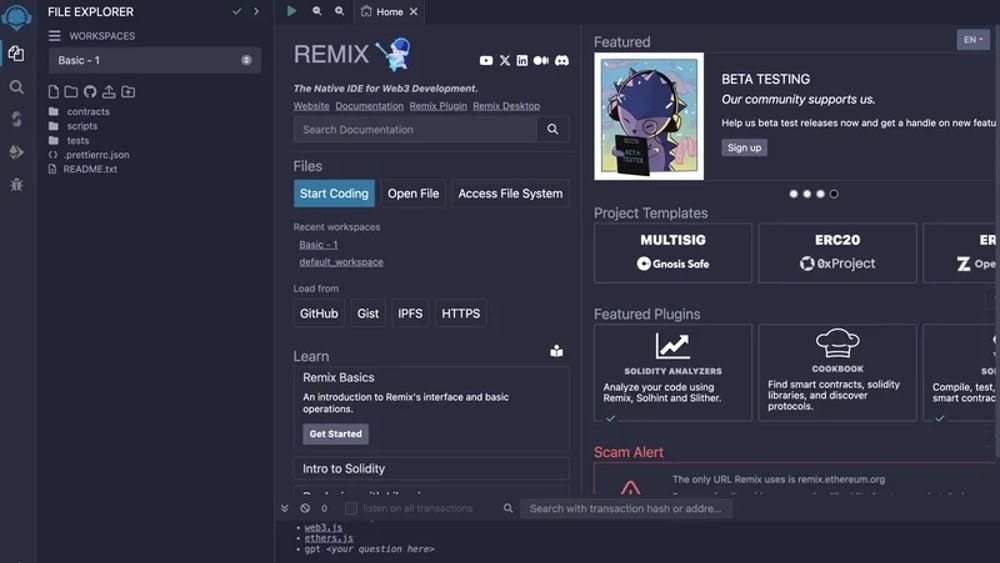
This tutorial explores the differences between Ethereum's Solidity and Soroban's Rust SDK for smart contract development. It explains why Rust is advantageous for blockchain development, highlighting speed, efficiency, type safety, memory safety, and concurrency handling. The article compares the EVM with Soroban, detailing how Soroban is a developer-friendly smart contracts platform built on Rust that works with Stellar and other transaction processors. The tutorial provides step-by-step instructions for creating identical Hello World contracts in both Solidity (using Remix IDE) and Soroban Rust (using the okashi playground), breaking down the code syntax and functionality for each language. It concludes by noting that while both platforms offer similar functionality, their approaches differ based on their core languages, with Solidity suited for JavaScript developers and Soroban's Rust foundation offering advantages in concurrency and safety.
