
The article explores the evolution of trust and identity authentication from historical paper documents to modern decentralized solutions like Decentralized Identifiers (DIDs) and Verifiable Credentials (VCs). It highlights the limitations of centralized systems and the benefits of self-sovereign identity for privacy, security, and interoperability. It teases upcoming content on implementing DIDs on the Stellar network.
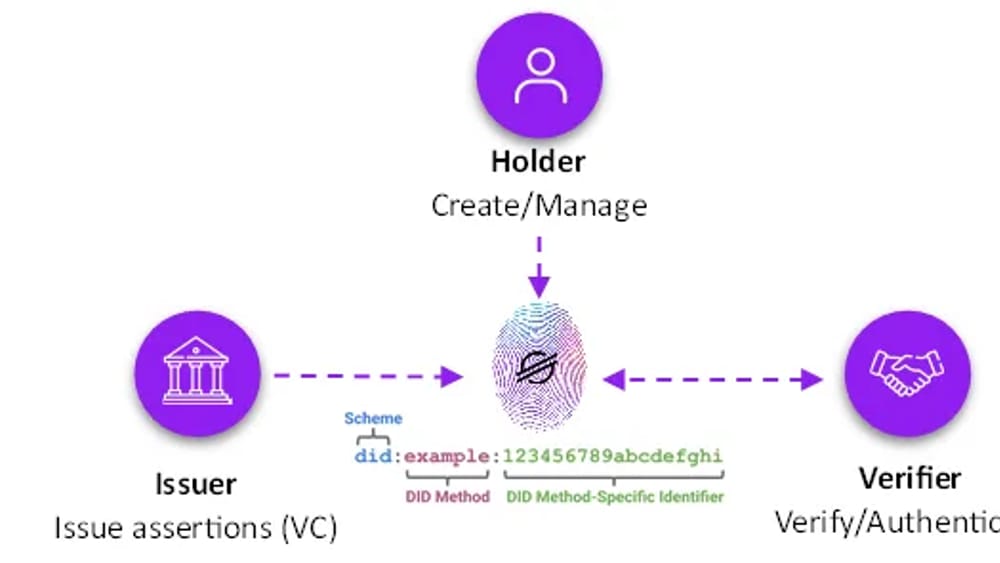
Tracing the history of trust from community knowledge and paper certificates to digital challenges, the article critiques traditional identity systems for their vulnerability to fraud, lack of privacy, and dependence on issuers. It introduces DIDs as W3C-standardized, blockchain-enabled identifiers that grant users full control over their digital identities via DID documents, methods, and VCs. Key advantages include empowerment, reduced trust costs, enhanced privacy, and interoperability, with real-world applications in refugee management, land rights, financial inclusion, voting, and insurance. Governments like the US DHS, EU's EBSI, and Canada's DIACC are adopting DIDs. The piece ends by promising a follow-up on developing DIDs on the Stellar network with DID:STLLR.