
MoneyGram launched MGUSD, a native U.S. dollar stablecoin on Stellar, to eliminate remittance friction: refund delays, high send costs, and cash-only recipient options. The four-layer architecture—Bridge as regulated issuer, M0 providing smart contracts, Fireblocks managing wallets, MoneyGram distributing—embeds the stablecoin in an existing 500k-location network rather than building assets first.
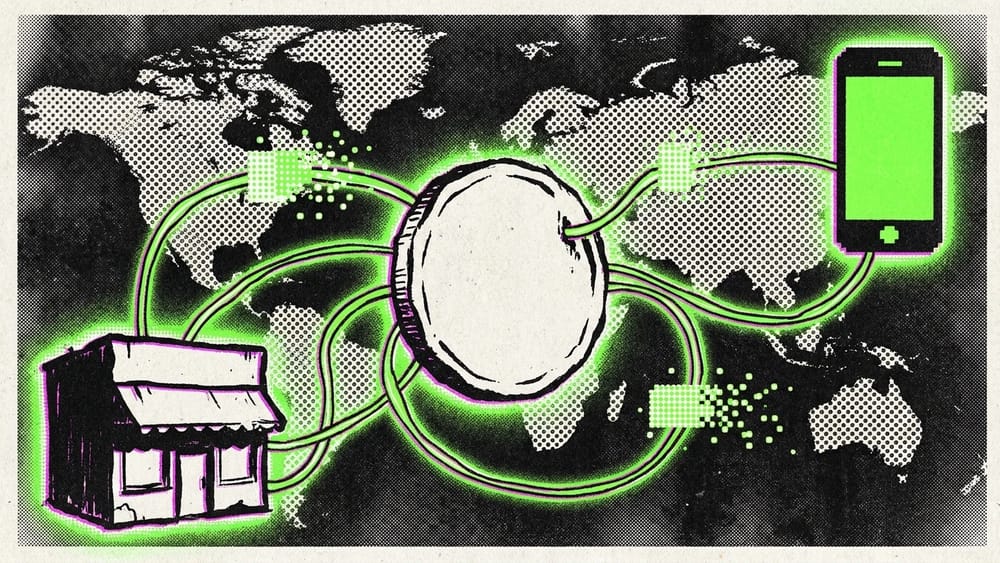
MoneyGram, operating in 200+ countries with 60 million customers and 500,000 locations, launched MGUSD on Stellar—a native dollar stablecoin embedded in its app as a self-custodial balance. The launch addresses core remittance friction: cancellations that took 10 business days to refund, send costs averaging 6.36%, and cash-only withdrawal constraints. The four-layer stack inverts the usual approach: Bridge (Stripe-acquired) serves as the GENIUS Act-compliant issuer; M0 provides mint-and-burn smart contract infrastructure; Fireblocks manages custody; MoneyGram's 500k network provides distribution. Unlike USDC and USDT—which built assets first then sought distribution—MGUSD starts with distribution. Self-custodial design means customers hold keys. The U.S.-only rollout limits impact, though strongest use cases sit in the $685 billion remittance corridors outside it.

