
Organizations moving money across borders solve a critical problem by connecting stablecoin infrastructure to local payout methods. Decaf and Airtm demonstrate the approach across three use cases: emergency aid disbursements in Venezuela, conference payments in Brazil, and community-based assistance in Wyoming. The key insight: one shared digital balance can connect to many different local payment methods, giving recipients choice while maintaining organizational control.
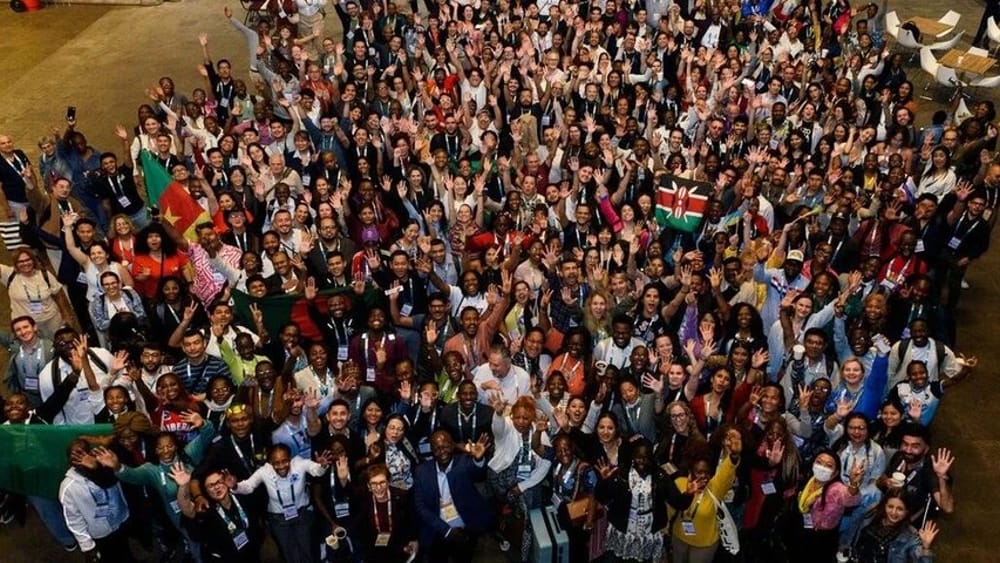
Stablecoins enable a new pattern for organizations managing bulk cross-border payments. The infrastructure connects a USDC-funded balance to multiple local payout methods: bank transfers, cash pickup, virtual cards, digital wallets. Decaf and Airtm showed this in practice across three distinct use cases. Following earthquakes in Venezuela, GiveDirectly moved emergency assistance to 3,700 families in under ten minutes using USDC-to-bank transfers. The International AIDS Society paid 900 conference participants from 95 countries, offering each recipient choice among available options (PIX, MoneyGram, virtual card, bank transfer). In Wyoming, NEED-AID and Laramie Interfaith are launching a model connecting an onchain USDC treasury to local food assistance payouts, making donor balances transparent while separating disbursement records from blockchain records.
