Grayscale Stellar Lumens Trust began trading on OTCQX under ticker GXLM, alongside new Grayscale trusts for Horizen and Zcash. This marks the first time XLM is available as a publicly-quoted security on a U.S. market.
DeFi, payments, tokenization, Soroban, governance, and project launches — curated daily from publications, project blogs, and community channels across the Stellar blockchain ecosystem.
Grayscale Stellar Lumens Trust began trading on OTCQX under ticker GXLM, alongside new Grayscale trusts for Horizen and Zcash. This marks the first time XLM is available as a publicly-quoted security on a U.S. market.
Stellar's built-in asset issuance capabilities, compliance features, and consensus protocol make it well-suited for central bank digital currencies. The network offers security and control comparable to centralized systems while enabling interoperability on a public blockchain.
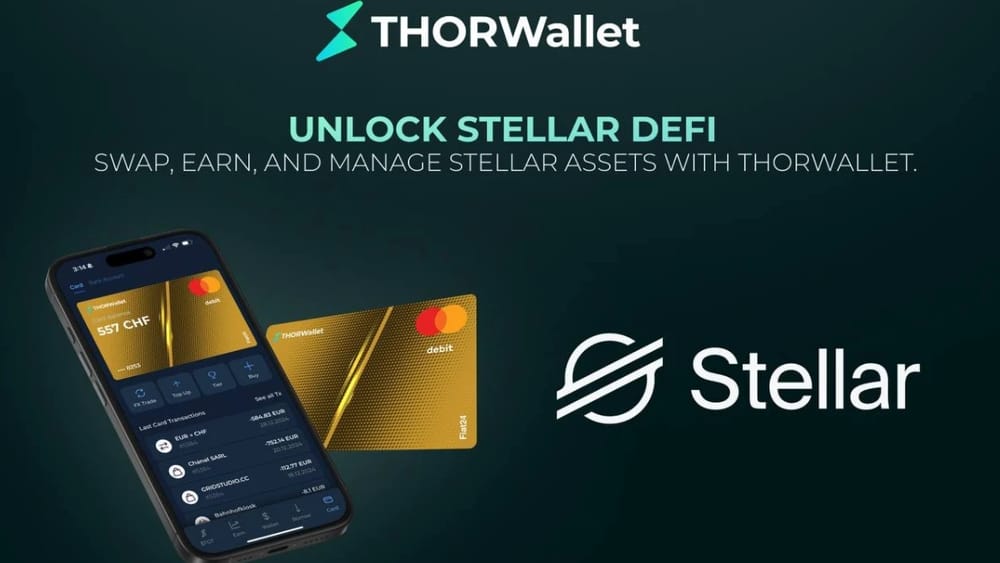
THORWallet now supports Stellar asset management with single and multisig wallets, enabling XLM and USDC swaps on mobile. The integration includes Blend protocol access for yield generation, bringing institutional-grade DeFi security to Stellar.
Stellar Protocol 17 introduced Asset Clawback on June 1st, 2021, enabling issuers to recover tokens from holders with opt-in consent. This feature facilitates regulated asset issuance like bonds and equities while maintaining transparency through visible account flags.
The Stellar public network successfully upgraded to Protocol 17 on June 1, 2021, introducing Asset Clawback—a feature enabling businesses to issue regulated financial instruments like bonds and equities while maintaining compliance capabilities.
Stellar Protocol 17 introduces asset clawback, enabling regulated financial instruments like bonds and equities to comply with securities regulations requiring issuer revocation abilities. Validators will vote on the upgrade June 1, 2021.
BitGo becomes the first major custody provider to support Stellar USDC, enabling institutions to securely hold the stablecoin while leveraging Stellar's fast settlement and negligible transaction fees for moving funds between exchanges.
The Stellar Development Foundation explains Issuer-Enforced Finality, a key feature enabling stablecoin issuers to maintain authoritative control over asset ownership on a permissionless network, contrasting Stellar's approach with Ethereum's vulnerability to double-spend attacks.
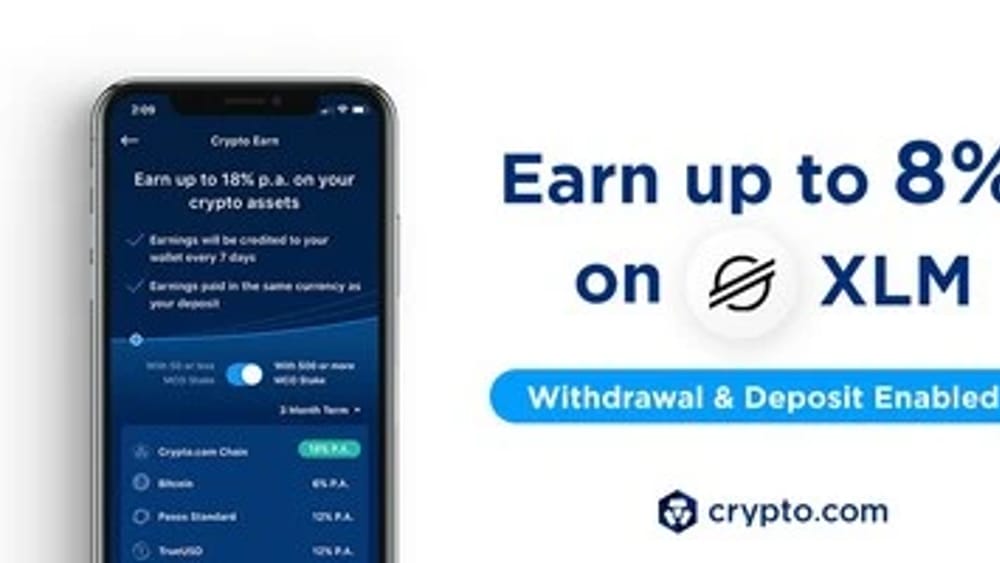
Crypto.com added XLM to its Crypto Earn product, offering users up to 8% annual returns on Stellar deposits with weekly payouts and flexible terms.
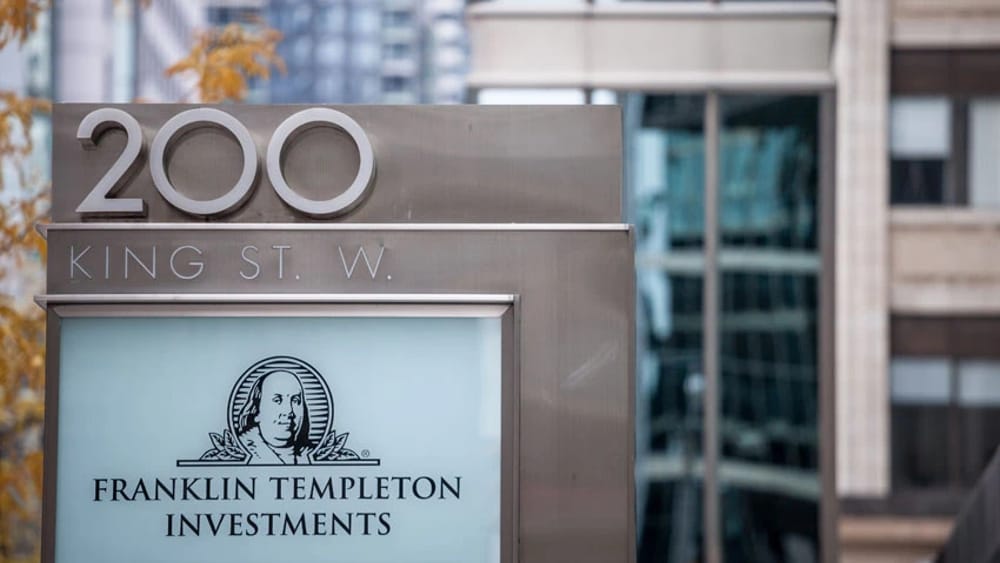
Franklin Templeton will use Curv's MPC wallet solutions to secure tokenized shares of its government money market fund on Stellar, enabling instant access and client autonomy over $700B+ in assets.
Franklin Templeton filed with the SEC to launch a blockchain-based mutual fund for government securities, recording fund share ownership on the Stellar blockchain to improve transparency and reduce settlement times while keeping investor mechanics hidden.
Franklin Templeton filed an SEC prospectus for a money market fund whose shares would be recorded on the Stellar Network. The fund would invest in government securities and cash, with shares purchasable through the firm's app starting at $20 minimum.
Anchorage, an Andreessen Horowitz-backed institutional crypto custodian, is now supporting Stellar and Tezos assets. The firm offers staking rewards between 1-7% and aims to compete with Coinbase and BitGo for institutional investors.
Stellar Development Foundation launched a redesigned stellar.org website featuring improved developer tools, clearer messaging about the network's capabilities in asset issuance and payments, and a new interactive Runkit for getting started.
Binance will airdrop 9.5 million XLM to users and introduce staking rewards after discovering it had been staking customer Lumens since August 2018 without sharing the rewards.