EU regulators finalized MiCA crypto regulation and are working on a Data Act that could impose problematic requirements on smart contracts built on public blockchains, potentially hindering DeFi development across Europe.
DeFi, payments, tokenization, Soroban, governance, and project launches — curated daily from publications, project blogs, and community channels across the Stellar blockchain ecosystem.
EU regulators finalized MiCA crypto regulation and are working on a Data Act that could impose problematic requirements on smart contracts built on public blockchains, potentially hindering DeFi development across Europe.
The Stellar Development Foundation's Policy team met with EU stakeholders during the publication of the landmark Markets in Crypto-Assets (MiCA) regulation. The SDF is now engaged in helping shape the technical implementation and definition of decentralization within the new framework.
Stellar Development Foundation CEO reflects on four years of leadership, noting how blockchain has matured from speculation-driven hype to product-focused innovation, with stronger regulatory engagement and industry leadership now driving meaningful progress.
The Stellar Development Foundation outlines emerging global consensus on stablecoin regulation, highlighting core principles around transparency, reserve backing, and consumer protections that align with SDF's asset issuance framework as jurisdictions like the EU and UK advance comprehensive crypto regulatory frameworks.
The Stellar Development Foundation met with UK government officials to discuss digital assets regulation, submitting a response to HM Treasury's consultation on cryptoasset frameworks and stablecoin requirements.
Franklin Templeton's OnChain U.S. Government Money Fund surpassed $270 million in assets under management on Stellar, with the Stellar Development Foundation CEO highlighting regulatory clarity as key to mainstream adoption. The fund is now accessible via the Benji Investments app.
The Stellar Development Foundation submitted a letter to the White House Office of Science and Technology Policy recommending two priorities for digital asset research: software interoperability standards and programmable digital assets for social benefits like cash assistance.
The Stellar Development Foundation outlines its 2023 policy priorities, including advocating for robust blockchain regulation, pushing for bipartisan stablecoin legislation, and demonstrating real-world blockchain utility through projects like MoneyGram and Stellar Aid Assist.
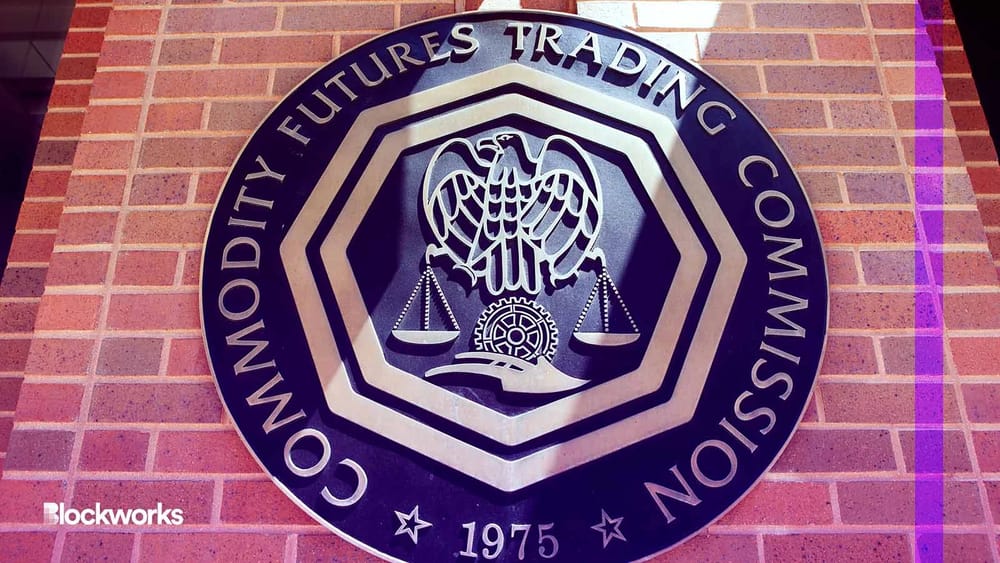
The Stellar Development Foundation joined the CFTC's Global Market Advisory Committee as the only blockchain representative, positioning itself to advocate for stablecoins, remittances, and blockchain-traditional finance integration in U.S. regulatory discussions.
GMO Trust launched GYEN, the world's first regulated JPY stablecoin, and ZUSD on Stellar, enabling fast, low-cost cross-border transactions with 1:1 fiat backing and monthly audits.
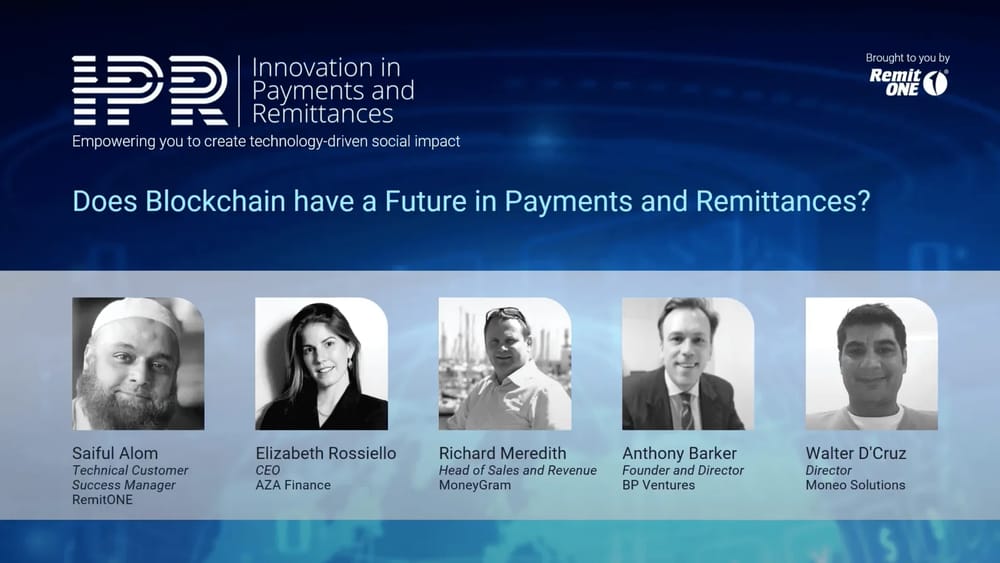
Anthony Barker, CEO of BPV, spoke at the IPR Global Event 2022 panel on blockchain's future in payments and remittances. He shared insights on stablecoins, regulatory compliance, and integrating protocols like Stellar with traditional finance. The discussion highlighted blockchain's potential to enhance transaction security and efficiency for money transfer organizations.
The cryptocurrency industry needs clear regulatory standards for stablecoins, similar to USDA organic certification. Without enforceable definitions, consumers lack protection and the term risks losing credibility as tokens like UST collapse.
SDF CEO Denelle Dixon testified before the U.S. Senate on the Digital Commodities Consumer Protection Act, emphasizing Stellar's role in financial inclusion for the 2 billion unbanked people globally and calling for regulatory clarity to unlock blockchain's potential.
The Stellar Development Foundation announced Meridian 2022, its annual in-person conference returning to Rome October 11-13. The event will feature keynotes from Alexis Ohanian, CFTC Commissioner Caroline Pham, and industry leaders, with sessions on stablecoins, humanitarian aid, regulation, and blockchain's role in financial inclusion.
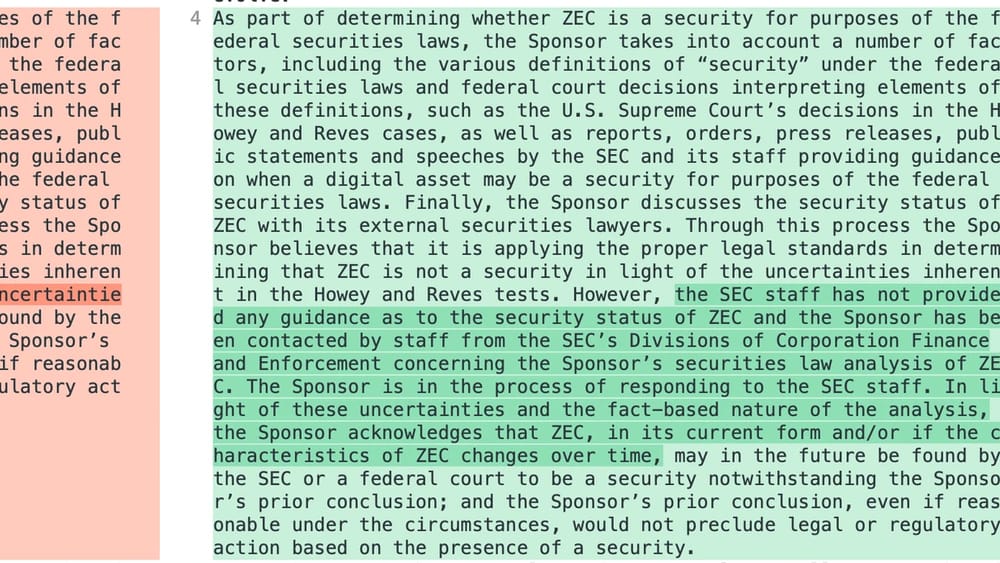
Grayscale is facing SEC scrutiny over whether Stellar (XLM), Zcash (ZEC), and Horizen (ZEN) tokens are securities, with the asset manager shifting its legal stance in recent filings to acknowledge these assets may currently qualify as securities under federal law.
The Stellar Development Foundation submitted comments to the U.S. Treasury on digital asset regulation, advocating for interoperability between CBDCs, stablecoins, and blockchain-based systems to advance financial inclusion and reduce transaction costs.
Stellar Development Foundation's Chief Legal Officer Candace Kelly praised Senators Lummis and Gillibrand's Responsible Financial Innovation Act as a bipartisan framework for crypto regulation, calling it a milestone for establishing clear legal guardrails that balance innovation with consumer protection.
The Stellar Development Foundation advocates for clear stablecoin legislation that requires audited, fiat-backed reserves held in regulated banks. SDF emphasizes the need to distinguish genuine stablecoins from other token structures and calls for consistent global regulatory guardrails to protect consumers and build trust in blockchain payments.
The Stellar Development Foundation spotlights three women on its Legal team, discussing their roles in product counsel, commercial agreements, and strategic transactions. They share insights on why diversity matters in blockchain and their experiences building at SDF.
The White House Executive Order on digital currencies marks a significant milestone for blockchain policy, directing government-wide strategy and regulatory clarity. The Stellar Development Foundation welcomes the order's call for inter-agency cooperation while emphasizing the critical need to include industry voices in the regulatory process.
SDF published a guidebook for regulators on designing CBDCs, explaining how central bank digital currencies can improve financial inclusion through open blockchains like Stellar, with features like programmability, compliance controls, and privacy protections.
Stellar Protocol 17 introduced asset clawback functionality, enabling authorized entities to recover digital securities for regulatory compliance, fraud prevention, and lost key recovery. Co-authored by Securrency, this feature addresses institutional adoption concerns and regulatory requirements for custodying digital assets.
Stellar Development Foundation awarded Vottun an $850k grant to build a Stellar-powered cross-border payment solution for the Spanish regulatory sandbox, with PwC providing guidance on banking and financial services compliance.
Seth Hertlein from the Stellar Development Foundation spoke at a Parliamentary Intelligence-Security Forum in Panama about blockchain, illicit finance, and financial inclusion. He presented data showing cryptocurrency crime is minimal (0.34% of transactions) and argued policymakers should focus on blockchain's benefits for the unbanked rather than overreacting to crime risks.
SDF convened Ukrainian financial leaders with blockchain experts to discuss virtual asset strategy ahead of new legislation. The event featured industry practitioners sharing real-world use cases on compliance, tokenization, CBDCs, and stablecoins to help shape Ukraine's emerging virtual asset ecosystem.
Stellar Protocol 17 introduced Asset Clawback on June 1st, 2021, enabling issuers to recover tokens from holders with opt-in consent. This feature facilitates regulated asset issuance like bonds and equities while maintaining transparency through visible account flags.
The Stellar public network successfully upgraded to Protocol 17 on June 1, 2021, introducing Asset Clawback—a feature enabling businesses to issue regulated financial instruments like bonds and equities while maintaining compliance capabilities.
Two Stellar Community Fund finalists, Mojoflower and Blocknify, showcase innovative use cases beyond payments: Mojoflower tokenizes share ownership for Icelandic regulators, while Blocknify uses Stellar as an immutable notary for e-signatures and document verification.
The Stellar Development Foundation responds to FATF's draft guidance on virtual assets and VASPs, arguing the proposal lacks evidence, threatens financial inclusion, and represents regulatory turf-protection rather than genuine financial crime prevention.
The Stellar Development Foundation submitted a supplemental comment letter to FinCEN opposing proposed cryptocurrency transaction reporting rules, arguing they're unsuited for blockchain and could harm financial inclusion.